Lost in Emoji Translation: The Secret Meanings Hiding in Your Group Chat
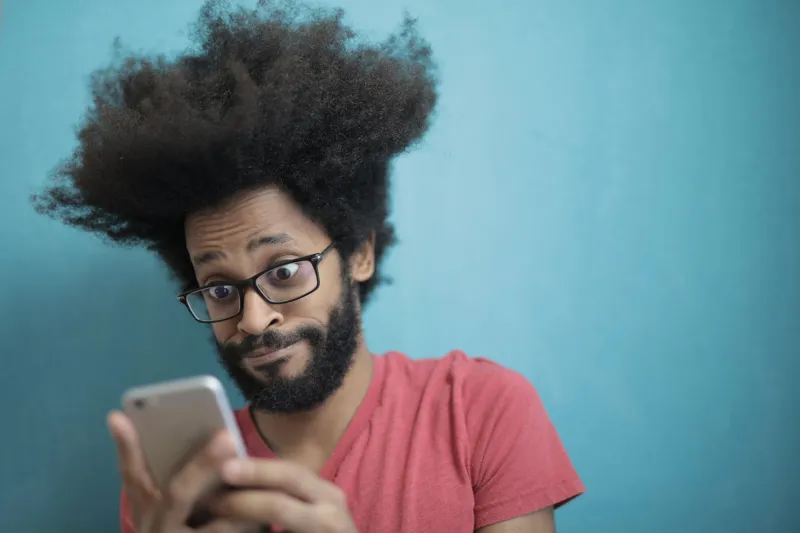
Somewhere right now, a 26-year-old is staring at their phone in mild existential dread because their mother responded to a heartfelt life update with a single 👍. Not a heart. Not a hug emoji. A thumbs-up. Cold, clinical, vaguely corporate. The kind of response you'd expect from a LinkedIn connection, not the woman who raised you.
Here's the thing: Mom thinks she crushed it. She found the emoji. She used it correctly — technically. And yet the damage is done.
This is the great comedy of modern communication. We invented a universal visual language to make texting easier, and instead we created a parallel universe of misunderstanding so dense it could fill a linguistics PhD thesis. Or at minimum, a very entertaining article on a humor website. Welcome to the latter.
The Thumbs-Up Is Not Okay (Depending on Who Sends It)
Let's start with the most divisive emoji in the American group chat: 👍. On the surface, it's simple. Positive. Affirming. A little fist bump for your eyeballs.
Except it isn't. Not anymore. Not for everyone.
For anyone under roughly 30, a lone thumbs-up in response to something meaningful reads as passive-aggressive at best, passive-dismissive at worst. It's the emoji equivalent of someone saying "cool" while clearly not looking up from their own phone. Gen Z in particular has essentially retired it as a genuine expression of enthusiasm — if your friend sends you a thumbs-up after you tell them about your new job, start preparing for the conversation where they explain what they actually meant.
For anyone over 45? The thumbs-up is a perfectly warm, efficient little nod of acknowledgment. It means I saw this, I support you, and I didn't have to type anything. Maximum effort with minimum keystrokes. Honestly, respect.
Same emoji. Two completely different emotional climates. One family group chat full of chaos.
The 💀 Is Not Alarming, Please Stop Calling 911
If you've ever sent a skull emoji to your parents and watched the temperature drop in the room, you understand this section deeply.
Among millennials and Gen Z, 💀 is the gold standard of laughter. It means something is so funny that you have died. It is the highest comedic compliment available in glyph form. Sending it is an honor. Receiving it is a victory.
For anyone who grew up before meme culture rewired the emotional vocabulary of humor, a skull is a skull. It means something bad. It means someone is in trouble. It does not mean your nephew found your potato salad story hilarious. It means your nephew needs to be checked on immediately.
The confusion runs both ways, by the way. Plenty of older texters have sent the 🙂 emoji with zero awareness that it has been quietly reclaimed as a symbol of barely contained menace. That serene little smile now reads, in many younger circles, as deeply unsettling — the emoji equivalent of someone saying "I'm fine" through clenched teeth while a vein pulses in their temple.
Your aunt thinks she's being pleasant. She is sending a threat.
Regional Dialects, But Make It Digital
Here's where it gets genuinely weird: emoji interpretation doesn't just split along generational lines. It shifts regionally, too.
Studies and informal surveys (the kind that live on Twitter threads and Reddit for months) consistently show that emoji carry different cultural weight depending on where you're texting from. The 🤙 "call me" hand, for instance, is a casual, friendly gesture in coastal cities and surf culture communities. In other parts of the country, it reads as either old-fashioned or vaguely threatening depending on the context, speed, and how many times it's repeated in a row.
The 🌽 emoji has been claimed by internet communities as a stand-in for adult content, which means anyone who genuinely loves corn — farmers, Iowa residents, people who just really enjoyed the state fair — now has to navigate some very confusing reactions to their agricultural enthusiasm.
And let's not even fully get into the 🍑 situation, except to say that if your coworker sends it after you mention bringing a fruit salad to the office potluck, there will need to be a clarifying follow-up message.
The 😂 Retirement Nobody Voted For
This one stings a little, especially if you've been using it since 2012.
The crying-laughing emoji — 😂 — was for years the undisputed champion of digital humor. It was everywhere. It was everything. It was the universal signal that something had genuinely made you emit a sound from your body.
Then, sometime around 2020, it got quietly voted off the island by younger users who deemed it irredeemably uncool. It became the emoji that signals you are, in the words of the internet, "a little bit older." Not ancient. Not out of touch exactly. Just... a little behind the curve. Like using "LOL" unironically or still having a Facebook profile picture from 2015.
The replacement? Largely 💀, as discussed, plus various combinations of 😭 (which now means laughing so hard you're crying, not actually crying — another layer of complexity your parents will never fully untangle).
So if you've been dropping 😂 bombs in your group chat and wondering why the vibe feels slightly off, now you know. The emoji didn't change. The culture around it did. Silently. Without a memo.
How to Survive Your Own Group Chat
Here's the genuinely useful takeaway buried inside all this comedy: emoji are a living language, and like all living languages, they evolve faster than any dictionary can track.
The safest move — if you're ever unsure whether your 👍 reads as warm or cold, your 🙂 reads as friendly or ominous, or your 🌽 reads as literal or very much not — is to add words. Revolutionary concept, truly. A "sounds great! 👍" lands completely differently than a solitary thumb floating in the chat like a tiny beige ghost.
Alternatively, you can lean into the chaos. Send the skull to your grandmother. Let her call your mom. Watch the thread spiral into a three-generation miscommunication that takes forty-five minutes to untangle. It won't fix anything, but it will absolutely be the funniest thing that happens to your family this week.
And at the end of the day, if laughter — in whatever form, through whatever tiny glowing symbol — is the goal, you're already doing it right.
Even if your mom's thumbs-up still feels like a form rejection letter.
Especially then.