Tiny Glyphs, Big Laughs: The Hilarious Rise of Emoji as America's Second Language
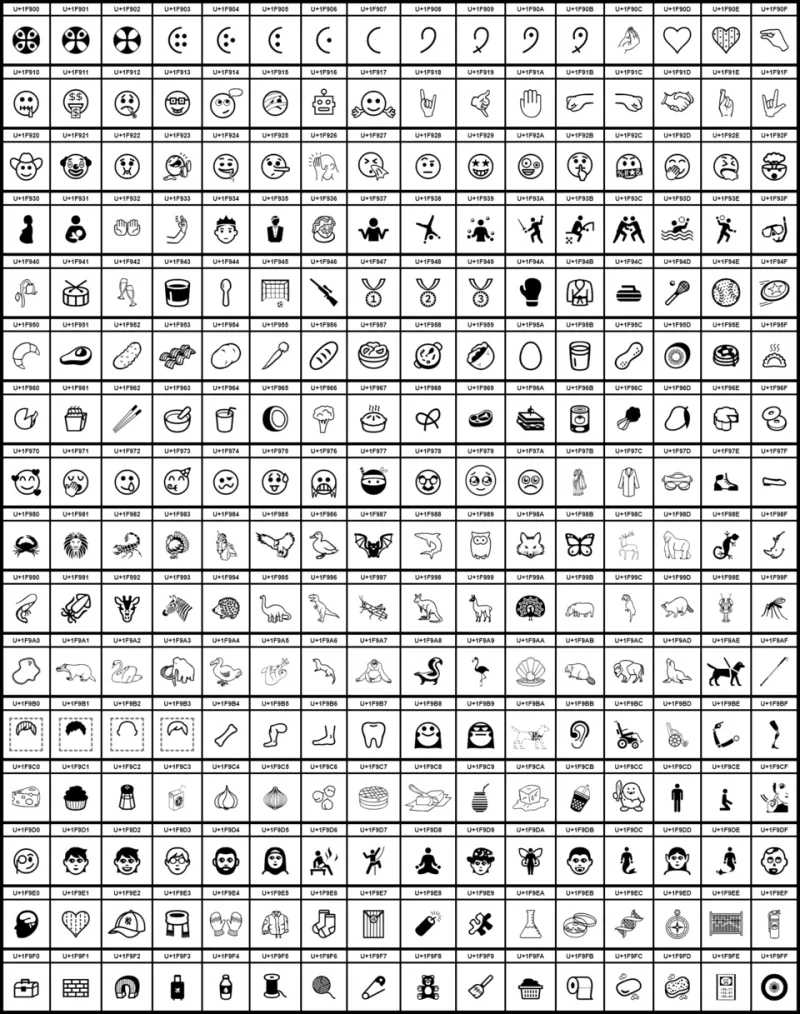
Photo: Verdy p, CC0, via Wikimedia Commons
Somewhere between the invention of the rotary phone and the moment your aunt sent you a string of seventeen random emojis to wish you happy birthday, something remarkable happened. A set of tiny, pixelated cartoons hijacked human communication — and made it exponentially funnier in the process.
Emoji were never supposed to be comedic masterpieces. Shigetaka Kurita designed the original 176 characters back in 1999 for a Japanese mobile platform, and his intentions were purely practical. Fast forward to 2024, and the eggplant emoji has its own cultural legacy that absolutely no one could have predicted. That's the magic of collective human creativity — and collective human weirdness.
From Smiley Faces to Comedic Weapons
The early days of emoji were innocent enough. You sent a smiley face. You sent a heart. Maybe a pizza if you were feeling adventurous. But somewhere around the mid-2010s, the internet collectively realized that these little icons could be wielded like punchlines.
Consider the 💀 skull emoji. Its intended meaning? Death. Danger. Possibly pirates. Its actual meaning in 2024? "I am laughing so hard that I have metaphorically ceased to exist." Gen Z essentially murdered "lol" and replaced it with a tiny cartoon skeleton, and honestly, it's a more honest representation of how funny something actually is. Nobody is literally laughing out loud when they type "lol" anymore. But sending a skull? That communicates genuine comedic destruction.
Then there's the 🙃 upside-down smiley. On the surface, it looks cheerful. In practice, it's the digital equivalent of saying "everything is fine" while your apartment burns down behind you. It's the emoji of barely contained chaos, passive-aggressive cheerfulness, and the specific kind of suffering that makes other people laugh. Millennials latched onto it hard, and honestly, same.
The Misinterpretation Hall of Fame
Half of what makes emoji so funny is that they go catastrophically wrong on a regular basis. Different phones render emoji differently — what looks like a gentle grin on an iPhone becomes a terrifying grimace on a Samsung — and the results have launched a thousand confused text conversations.
There's a whole genre of viral screenshots built entirely on emoji misfire. Someone sends what they think is a warm, reassuring hug emoji 🤗 and the recipient reads it as someone enthusiastically presenting jazz hands. A person drops a 😬 thinking it signals mild awkwardness, and their date interprets it as a threatening grimace. The 🍑 peach and the 🍆 eggplant have been so thoroughly hijacked by innuendo that using them in their actual, literal, fruit-and-vegetable context now requires a disclaimer.
In 2021, a tweet went massively viral when someone shared a screenshot of their grandmother sending "🖕" thinking it was a friendly "number one" gesture. The thread that followed — hundreds of people sharing their own family emoji disasters — racked up hundreds of thousands of likes. Comedy gold, courtesy of a generation gap and one very confused grandma.
Gen Z Broke the Emoji Code (On Purpose)
Here's where things get genuinely fascinating from a humor standpoint: Gen Z doesn't just use emoji — they use them ironically, in ways that have left older generations completely baffled.
The 🧍 standing person emoji, for instance, is now shorthand for extreme awkwardness or social paralysis. The 💅 nail polish emoji signals unbothered confidence or petty dismissal. Sending a single 🫥 (the invisible face) communicates a level of existential detachment that a full paragraph couldn't capture. And perhaps most brilliantly, Gen Z has started using the 🤓 nerd emoji to mock excessive enthusiasm — sometimes their own.
This ironic layering is genuinely sophisticated comedy. It requires shared cultural context, timing, and an understanding of how an emoji's "official" meaning diverges from its street-level usage. It's basically sarcasm encoded into a picture, which is either the pinnacle of human communication or a sign that we've all completely lost the plot. Possibly both.
Millennials, by contrast, tend to use emoji more literally — a heart means affection, a thumbs up means approval. The generational comedy gap this creates is its own endless content machine. Nothing funnier than a millennial sending "sounds great 👍" and a Gen Z recipient spending twenty minutes trying to decode whether that thumbs up was passive-aggressive.
The Emojis That Broke the Internet
Some specific emoji moments deserve their place in the comedy hall of fame.
The 😂 Face With Tears of Joy became so omnipresent that it eventually got labeled uncool — a perfect irony for an emoji literally depicting laughter. Oxford Dictionary named it Word of the Year in 2015, which was both a cultural milestone and, to a certain corner of the internet, a declaration of cringe.
The 🥺 Pleading Face — those big, watery puppy eyes — became the universal symbol for asking for a favor, a snack, or literally anything you want while deploying maximum emotional manipulation. It spawned countless memes and is scientifically proven (okay, anecdotally proven) to be impossible to say no to.
The 🗿 Moai stone head emoji somehow became the internet's shorthand for deadpan, stonefaced reactions. Why? Nobody fully knows. The internet just decided, collectively and without a meeting, that an Easter Island statue was the correct response to something deeply unhinged. And they were right.
Why Emoji Humor Works So Well
Comedians and linguists will tell you that brevity is the soul of wit. Emoji are the ultimate expression of that principle — they compress an entire emotional register into a single character. A well-placed emoji can flip the entire tone of a sentence, add a layer of irony that words alone can't achieve, or deliver a punchline faster than your brain can consciously process it.
They also create in-group humor. When you and your friends have a shared understanding that 🫠 means "I am melting from stress" and your coworker sends it in a Monday morning Slack message, there's a comedic solidarity there. You don't need a setup or a punchline. The emoji is doing all the heavy lifting.
In a world where everyone is competing for attention in an endless scroll, a single perfectly deployed emoji can stop someone mid-thumb and make them actually laugh. That's not nothing. That's art, actually. Weird, pixelated, occasionally-misread-by-grandmas art — but art nonetheless.
So next time someone tells you that texting is killing real communication, send them a 💀 and let them figure it out.