Long Live the Loser: Why Bumbling Bad Guys Are Stealing Every Scene in Modern Comedy
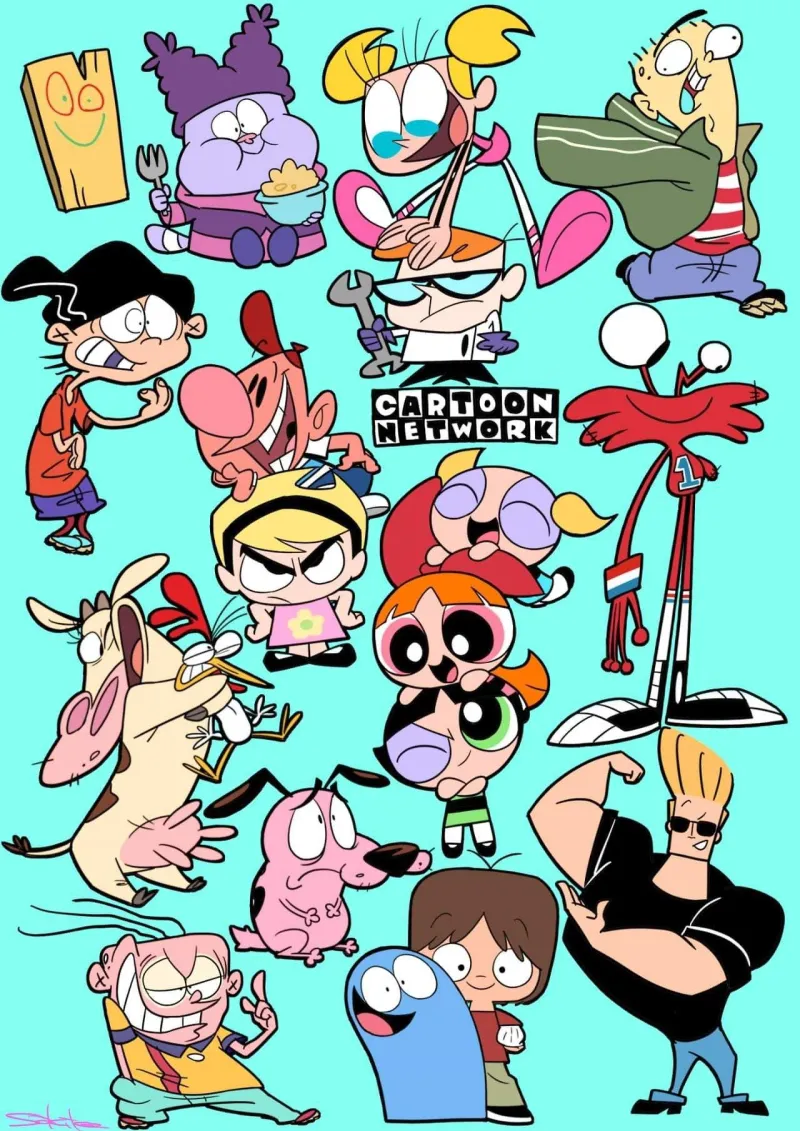
Photo: cartoon villain tripping falling comedic failure, via i.pinimg.com
There is a very specific kind of joy that comes from watching someone who is supposed to be terrifying absolutely fumble the bag. Not a little fumble. A full, slow-motion, arms-windmilling, coffee-spilling, tripping-over-their-own-cape fumble that ends with them face-down on the floor of their own evil lair while the hero just... walks away. Confused but unharmed.
That joy? That is the incompetent villain. And right now, they are having the greatest era of their careers.
From streaming comedies to big-budget blockbusters, the bumbling antagonist has quietly — or not so quietly, given how loudly audiences are laughing — become one of the most reliable comedic tools in the modern writer's arsenal. The question worth asking is: why does watching someone fail so badly at being bad feel so deeply, personally satisfying?
The Villain We Deserve (Because We Are Also Kind of a Mess)
Let's be honest with ourselves for a second. Most of us are not exactly crushing it every single day. We send emails to the wrong person. We confidently walk into a room and immediately forget why. We make Big Plans that dissolve into chaos by Tuesday afternoon.
Now imagine that person — that very relatable disaster — is also trying to take over a company, destroy a superhero, or outmaneuver a group of bumbling coworkers. Suddenly you have comedy that hits different, because the failure isn't distant or cartoonish. It mirrors something we recognize in ourselves.
This is the secret engine powering characters like Roman Roy from Succession, a man who genuinely believed he was a shark and spent four seasons proving he was more of an anxious goldfish in an expensive suit. Roman's incompetence wasn't just funny — it was achingly funny, because underneath every spectacular screw-up was the desperate energy of someone trying very hard and getting it catastrophically wrong. Sound familiar? Yeah. We thought so.
Marvel's B-Team of Doom
Over in the Marvel universe, the Multiverse Saga has introduced audiences to a rotating cast of antagonists who range from genuinely menacing to hilariously, bafflingly bad at their jobs. And audiences have made their preferences very clear: they love the disasters.
Consider M.O.D.O.K. in Ant-Man and the Wasp: Quantumania — a giant floating head with tiny limbs who spends most of the movie being emotionally fragile and tactically useless. Critics were divided. Audiences who surrendered to the bit were absolutely delighted. There is something almost radical about a villain whose primary character trait is that he cannot handle rejection and keeps making everything worse for himself.
Or look at the internet's eternal affection for characters like Loki in his earlier appearances — not the menacing god of mischief version, but the one who gets knocked around like a pinball and delivers increasingly unhinged monologues while nothing goes according to plan. The fandom did not embrace Loki because he was scary. They embraced him because he was trying so hard and failing so spectacularly.
The Comedy of Dysfunction Is Actually Very Old
Here's the thing — the incompetent villain isn't a new invention. This character has been making audiences laugh for centuries. From Wile E. Coyote (a creature who has access to an apparently unlimited ACME budget and still cannot catch one bird) to Inspector Clouseau, comedy has always understood that failure is funnier than success.
What's changed is the sophistication of the failure. Modern writers aren't just making villains trip over their capes. They're building entire psychological profiles around dysfunction. They're giving these characters genuine motivations that make their incompetence tragic and funny simultaneously. The bumbling antagonist in 2024 has layers, baby.
Take David from Schitt's Creek — technically not a villain, but absolutely an antagonist to his own happiness for most of the series. Or any given mid-level manager in Abbott Elementary who wanders into a situation with maximum confidence and zero self-awareness. These characters work because their incompetence is specific. It's not random slapstick. It's a precisely engineered disaster.
Why Writers Keep Coming Back to This Well
From a pure craft perspective, the incompetent villain solves several problems at once.
First, stakes. A truly competent villain raises the stakes so high that comedy becomes difficult — everything feels too tense, too dangerous. A bumbling antagonist keeps the tension simmering without ever boiling over into genuine dread. The audience can laugh because they know, deep down, that this person is going to torpedo their own plan before the credits roll.
Second, character contrast. Placing a chaotic, self-sabotaging antagonist against a relatively competent protagonist creates an automatic comedic dynamic. The straight man and the disaster. The eye roll and the pratfall. It's a structure that works.
Third — and this is the big one — relatability as comedy. American audiences in particular have a deep, abiding love for watching someone fail upward, fail sideways, or just fail repeatedly while somehow remaining convinced they're about to turn it all around. It's cathartic. It's the comedy of recognition. We have all been that person, standing in the ruins of a plan we were certain was going to work, trying to figure out where exactly it went sideways.
The Bumble Economy Is Booming
Streaming has only accelerated this trend. When you have twelve episodes to fill and an audience that will pause, rewind, and screenshot every single moment of glorious failure, the incentive to write deeply, specifically incompetent antagonists becomes enormous. These characters are made for the screenshot era. Every fumble is a future meme. Every overconfident declaration that immediately backfires is a GIF waiting to happen.
The internet has essentially created a demand economy for spectacular failure content, and the incompetent villain is the purest expression of that demand. They fail publicly. They fail confidently. They fail in ways that are immediately, universally legible as funny.
Roman Roy telling off a room full of people right before everything collapses? Screenshot. M.O.D.O.K. having a breakdown mid-battle? GIF. Some mid-tier Marvel henchman confidently explaining a plan that is visibly already going wrong? Meme template for the next six months.
In Defense of the Disaster
At the end of the day, the bumbling villain is popular because they are, in some fundamental way, us. Not the evil part — hopefully — but the part that makes The Plan and then watches The Plan immediately encounter reality and crumble into dust.
The best incompetent antagonists aren't laughing stocks. They're mirrors. They're the version of ourselves that got just enough power or confidence to really commit to a bad idea, and then committed all the way until the inevitable, spectacular implosion.
And honestly? Watching that happen to someone else, safely, from a couch with snacks? That's not just funny. That's practically therapeutic.
Long live the loser. They are doing incredible work.